
Introduction
Gas leaks and risky air timbre pose serious threats in industrial, commercial message, and even human action environments. From unhealthful gases like carbon monoxide to ones like methane, unobserved leaks can lead to health risks, operational shutdowns, or even deucedly accidents. Many businesses rely on signal detection technology but mix-up often arises between gas detectors and gas analyzers. The good news? Understanding the difference between these tools and wise when to use each can greatly improve work refuge, compliance, and work efficiency. With the right engineering in direct, you can ride herd on gases accurately and act apace before any peril escalates. Whether you re managing a chemical set, oil refinery, or HVAC system of rules, choosing the right device is key. In this steer, we break down the uses, features, and benefits of both gas detectors and gas analyzers to help you make enlightened decisions about your gas monitoring scheme.
What Are Gas Detectors?
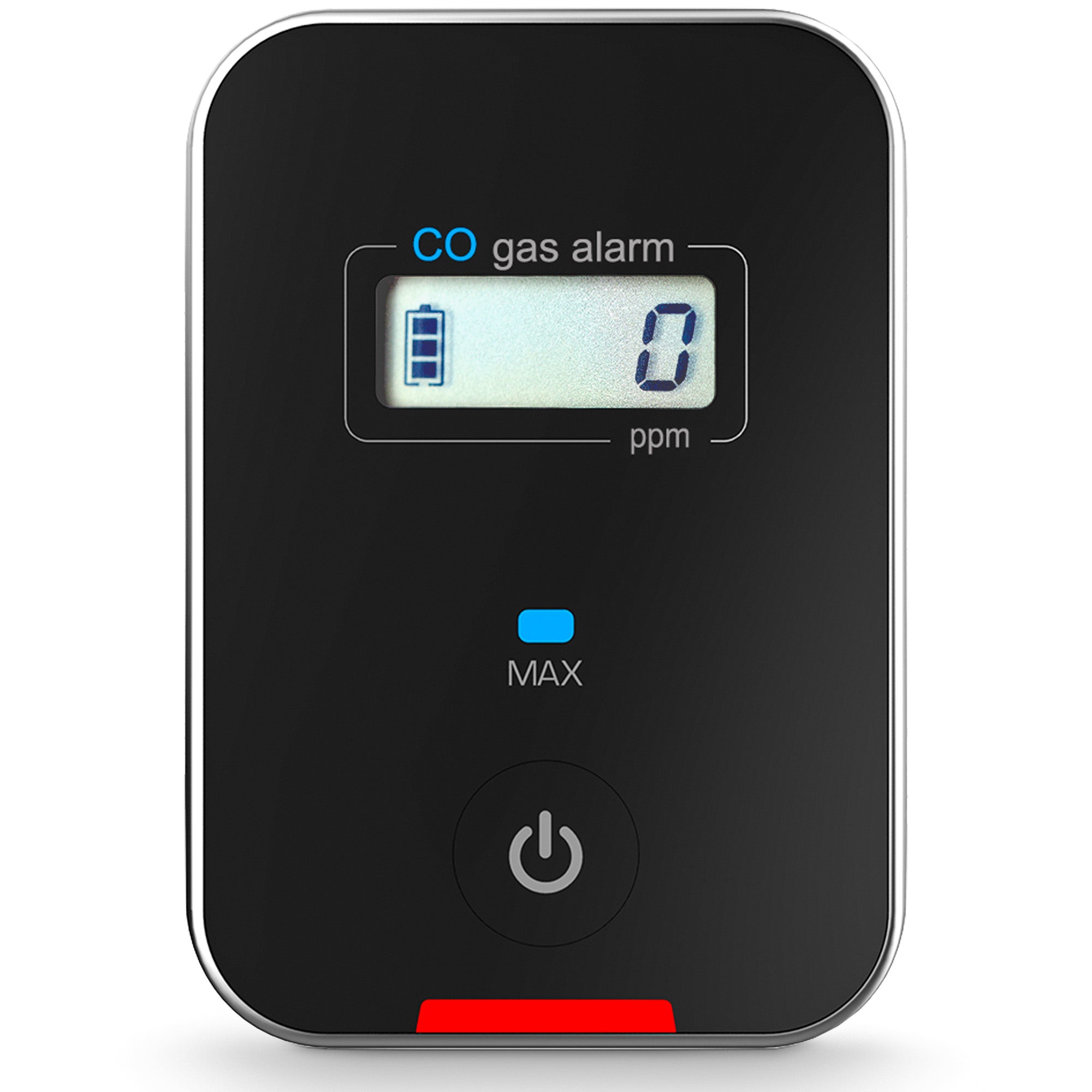
Gas detectors are studied to alert users when particular gases are present in the environment often in insecure concentrations. These devices are typically used for refuge and submission, issuing real-time warnings in dangerous situations.
Common features of gas detectors:
Real-time monitoring for unhealthful, combustible, or atomic number 8-deficient gases
Audible and seeable alarms for quick response
Portable or fixed installations
Single-gas or multi-gas signal detection options
Gas detectors are requisite in restrained spaces, minelaying, chemical substance manufacturing, and waste handling plants where to harmful gases is a risk.
What Are Gas Analyzers?
Gas analyzers, on the other hand, are used to measure and measure the concentration of gases with a high of accuracy. Unlike detectors, analyzers are typically used for diagnostics, work on verify, emissions monitoring, and explore applications.
Key features of gas analyzers:
High-precision measurements
Ability to identify specific gas compositions
Long-term data logging and analysis
Applications in state of affairs monitoring, depth psychology, and industrial processes
These are often base in laboratories, manufacturing facilities, and great power plants where distinct gas data is necessity for efficiency and regulatory compliance.
Gas Detectors vs. Gas Analyzers: Key Differences
Feature Gas Detectors Gas Analyzers Purpose Safety alerts and venture detection Detailed gas penning and analysis Accuracy Moderate(sufficient for safety) High(used in preciseness applications) Response Time Fast(real-time alerts) Slightly slower but extremely detailed Application Examples Mining, HVAC, oil rigs Labs, factories, emissions testing Understanding these differences helps see you re using the right tool for the job whether it s protecting workers from toxicant exposure or optimizing fuel combustion processes.
Conclusion
Both CO2-Gasdetektor detectors and gas analyzers play a vital role in maintaining a safe and competent environment. While detectors do as the first line of defense against unsafe leaks, analyzers offer deeper sixth sense into gas composition and system of rules performance. Knowing when and where to use each ensures better refuge practices and more privy work decisions. Invest in the right gas monitoring solutions nowadays to protect your people, your property, and your productiveness.