
Automatic glass doors are a convenient feature in modern buildings, providing smooth entry and exit without the need to physically open doors. At the heart of these doors is the Automatic Glass Door Sensor, a technology designed to detect movement and trigger door operations.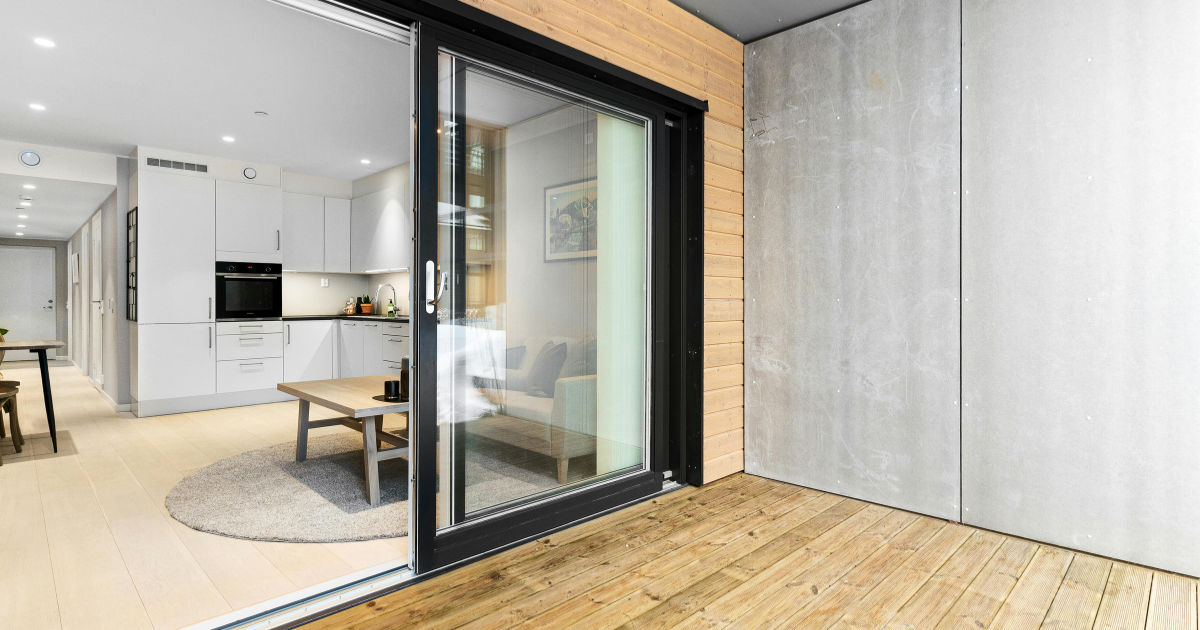
While these sensors are highly reliable, they are not immune to issues. Understanding common problems, their causes, and solutions is essential for building managers, maintenance staff, and even homeowners who use automatic doors.
In this guide, we will explore the most frequent Automatic Glass Door Sensor issues, why they occur, and how they can be resolved. We will also discuss preventive measures to ensure your doors operate safely and efficiently.
How Automatic Glass Door Sensors Work
Before diving into issues, it’s important to understand how Automatic Glass Door Sensors function. Most automatic glass doors use motion detection sensors, such as infrared, microwave, or laser sensors. These sensors detect movement in front of the door and send a signal to the door operator to open or close the door.
There are typically two types of sensors:
-
Presence Sensors: Detect if someone is standing near the door.
-
Motion Sensors: Detect movement approaching the door.
If a sensor fails or malfunctions, it can cause the door to behave erratically, such as failing to open, staying open, or opening at inappropriate times.
Common Automatic Glass Door Sensor Issues
1. Sensor Not Detecting Motion
One of the most common problems is when the Automatic Glass Door Sensor fails to detect people approaching the door. This can lead to doors that don’t open when needed.
Causes:
-
Dirty sensor lens obstructing the detection field.
-
Improper sensor alignment.
-
Interference from nearby light sources or reflective surfaces.
-
Sensor malfunction due to wear and tear.
Solutions:
-
Clean the sensor lens regularly with a soft, dry cloth.
-
Check and adjust the sensor alignment.
-
Remove or cover reflective surfaces near the sensor.
-
Replace the sensor if cleaning and alignment don’t work.
2. Door Opens or Closes Randomly
Sometimes doors may open or close without anyone nearby. This issue is usually linked to the Automatic Glass Door Sensor picking up false signals.
Causes:
-
Strong sunlight hitting the sensor lens.
-
Passing vehicles or equipment triggering the sensor.
-
Electrical interference or faulty wiring.
-
Sensor sensitivity set too high.
Solutions:
-
Adjust sensor sensitivity according to manufacturer instructions.
-
Install shades or protective covers to block direct sunlight.
-
Inspect wiring and connections for damage.
-
Relocate the sensor if external movement triggers false openings.
3. Door Stays Open or Closed
A door that remains open or closed can indicate a serious sensor or control issue. This can be dangerous in high-traffic areas.
Causes:
-
Faulty sensor or misaligned sensor.
-
Malfunction in the door control unit.
-
Obstruction in the door track or operator mechanism.
-
Incorrect sensor range settings.
Solutions:
-
Inspect and realign the sensor.
-
Test the door control unit and replace it if needed.
-
Clear any obstacles from the door track.
-
Adjust the sensor detection range for optimal operation.
4. Intermittent Door Operation
Some automatic doors operate inconsistently, opening sometimes and not others. This unpredictability is usually tied to electrical or environmental issues affecting the Automatic Glass Door Sensor.
Causes:
-
Loose wiring or connections.
-
Moisture or humidity affecting sensors.
-
Sensors partially blocked by dirt or debris.
-
Environmental interference like moving shadows or lights.
Solutions:
-
Tighten all electrical connections.
-
Ensure sensors are waterproofed if installed in humid areas.
-
Regularly clean sensor lenses.
-
Adjust sensor settings to filter out environmental noise.
5. Slow Door Response
A slow response can be frustrating for users and may indicate that the Automatic Glass Door Sensor is struggling to detect movement quickly.
Causes:
-
Low sensor sensitivity.
-
Worn-out door operator or motor.
-
Obstructions in the door’s path slowing movement.
-
Sensor lens covered with dust or smudges.
Solutions:
-
Adjust sensor sensitivity to recommended levels.
-
Lubricate and service the door operator.
-
Remove obstacles and ensure smooth door tracks.
-
Clean the sensor lens to improve detection speed.
6. Sensor Warning Lights On
Modern Automatic Glass Door Sensors often have indicator lights that show sensor status. Warning lights usually indicate a malfunction.
Causes:
-
Sensor malfunction or internal failure.
-
Wiring issues or short circuits.
-
Environmental interference such as heat or moisture.
Solutions:
-
Refer to the sensor’s manual for the specific warning code.
-
Inspect and repair wiring issues.
-
Replace the sensor if internal failure is detected.
Preventive Measures for Sensor Issues
Prevention is always better than repair. Here are strategies to minimize Automatic Glass Door Sensor problems:
-
Regular Cleaning: Keep sensor lenses clean and free from dust, dirt, or fingerprints.
-
Proper Alignment: Ensure sensors are installed according to manufacturer specifications.
-
Scheduled Maintenance: Inspect sensors, wiring, and door operators on a regular schedule.
-
Environmental Considerations: Avoid placing reflective surfaces or strong light sources near the sensor.
-
Sensor Quality: Invest in high-quality sensors suitable for the specific environment, especially in outdoor areas.
Safety Concerns with Faulty Sensors
A malfunctioning Automatic Glass Door Sensor is not just inconvenient; it can pose serious safety risks:
-
Doors that close unexpectedly can injure users.
-
Doors failing to open can block emergency exits.
-
Sensors that trigger false openings may cause accidents in crowded areas.
Regular inspection and timely repair of sensor issues are critical for preventing accidents.
Upgrading and Replacing Sensors
Over time, technology evolves, and older sensors may become less reliable. Upgrading to modern, high-sensitivity sensors can improve door performance.
Considerations for replacement:
-
Choose sensors compatible with your existing door system.
-
Opt for sensors with adjustable sensitivity and detection range.
-
Consider energy-efficient models for cost savings.
-
Ensure sensors are certified for safety standards in your region.
When to Call a Professional
While some sensor issues can be handled with simple cleaning and adjustment, professional help is needed in certain cases:
-
Persistent sensor failures despite basic troubleshooting.
-
Electrical problems affecting sensor operation.
-
Complex sensor alignment or calibration issues.
-
Door control unit replacement or repair.
Professional technicians can accurately diagnose problems and ensure the door system meets safety standards.
Conclusion
Automatic glass doors offer convenience and accessibility, but their performance depends heavily on the Automatic Glass Door Sensor. From motion detection failures to false triggers, slow responses, or persistent warning lights, sensor issues are common but manageable with proper care and maintenance.
Regular cleaning, proper alignment, scheduled maintenance, and timely professional intervention can prevent most problems. Upgrading to modern sensors can further improve reliability and safety. By understanding common sensor issues and taking proactive measures, building managers, homeowners, and facility operators can ensure smooth and safe operation for everyone.
Automatic glass doors are more than just a modern convenience—they are a key element in building safety and efficiency. Keeping their sensors in top condition is essential for maximizing their benefits.