Stop Fakes in Their Tracks Advanced Strategies for Document Fraud Detection

How Document Fraud Works and Why Detection Matters

Document fraud takes many forms, from simple photocopy alterations to highly sophisticated forgeries that exploit digital tools. Criminals can manipulate PDFs, alter metadata, forge signatures, or splice together genuine fragments to create convincing counterfeit documents. These manipulations can be invisible to the naked eye yet have devastating consequences: financial losses, regulatory penalties, reputational damage, and compromised safety. Understanding the mechanics of fraud is the first step toward robust defense.

Common tactics include image replacement, modification of numeric fields (such as amounts or dates), tampering with security features like watermarks and microprinting, and falsifying identity documents by swapping photographs or altering biometric data. Increasingly, fraudsters rely on affordable software to create near-perfect fakes, while social-engineering techniques are used to bypass human checks. Because attackers evolve quickly, static, manual inspection methods are no longer sufficient.

Organizations across sectors—banks, insurers, universities, HR departments, and government agencies—must prioritize document fraud detection to protect operations and customers. Effective detection not only prevents direct losses but also supports regulatory compliance (KYC, AML) and builds trust in digital processes. Early detection reduces investigation costs and helps maintain business continuity. The stakes are especially high in remote onboarding and digital transactions, where documents often represent the only proof of identity or entitlement.

Modern Technologies and Techniques for Reliable Verification

Combining multiple detection layers yields the best results. At the core, AI-powered systems analyze document content, structure, and metadata to surface anomalies that human reviewers might miss. Machine learning models are trained on large datasets of genuine and fraudulent samples, enabling them to detect subtle inconsistencies—such as font mismatches, unusual compression artifacts, or irregular spacing—that signal tampering. Optical character recognition (OCR) extracts text for semantic checks, while image analysis inspects photos and graphical elements for signs of manipulation.

Forensic PDF analysis looks beyond visible content to evaluate embedded objects, modification histories, and cryptographic signatures. Metadata inspection can reveal suspicious editing timestamps or mismatched software footprints. Signature verification combines pattern recognition with pressure and stroke analysis when dynamic signature data is available. Together, these approaches create a layered defense that reduces false positives while increasing detection accuracy.

Automation accelerates the workflow: cloud or on-premise engines can return validation results in seconds, enabling real-time decisions during customer onboarding or transaction approval. Security-conscious organizations demand enterprise-grade protections—secure, transient processing of sensitive files and compliance with standards like ISO 27001 and SOC 2—so verification platforms must be designed to protect privacy and data integrity. For teams evaluating solutions, a practical step is to test a platform’s performance on real transaction volumes and document types; many providers offer API-based tools for seamless integration. For an example of a purpose-built tool, see document fraud detection solutions that combine speed, security, and AI-driven accuracy.

Deployment Scenarios, Best Practices, and Real-World Examples

Deployment of document fraud detection varies by use case. In banking, automated checks run during account opening and loan processing to flag forged IDs and falsified income proofs. For HR and payroll, verification systems screen diplomas, certifications, and government IDs to reduce hiring risk. Universities use digital verification to validate transcripts and admission documents from global applicants. Public-sector agencies apply robust checks for licensing, benefits distribution, and permit issuance, where fraud can undermine public trust.

Best practices include adopting a risk-based approach: apply stricter verification for high-value transactions, politically exposed persons, or cross-border cases. Maintain an audit trail for every verification decision to support compliance and investigations. Combine automated scoring with human review for edge cases—automation handles the bulk while specialists investigate ambiguous results. Regularly update model training data with new fraud patterns, and conduct red-team exercises to simulate attacks and harden defenses.

Real-world examples illustrate impact. A regional bank detected a coordinated attempt to open accounts using altered government IDs by correlating metadata anomalies and image inconsistencies; rapid blocking saved millions in potential fraud. An international university uncovered a wave of fraudulent transcripts by analyzing embedded fonts and modification timestamps, preventing admission of ineligible candidates. A large employer reduced payroll losses by implementing automated document checks that caught forged certifications before onboarding.

Local organizations should prioritize platforms that support regional document formats, languages, and regulatory requirements. Tailored solutions that understand local ID templates and common forgery techniques provide higher accuracy than generic tools. Whether protecting a small business or an enterprise, a combination of advanced verification, continuous model refinement, and secure processing creates a resilient defense against evolving document fraud threats.
Blog

Continue Reading

搜狗输入法在现代中文数字化交流中的全面应用、发展历程与智能化演进及其对用户输入效率提升的深远影响分析


在当代互联网与移动设备高度普及的时代,中文输入方式已经从传统键盘拼音逐渐发展为更加智能化与个性化的输入工具。其中,Sogou Input Method作为中国最具影响力的输入法之一,凭借其强大的词库、智能联想和云端技术,深刻改变了人们的文字输入习惯,使中文表达变得更加高效与自然。

搜狗输入法最初推出时,主要依靠庞大的本地词库来提升用户输入速度。随着用户规模不断扩大,它逐渐引入了云计算与大数据分析技术,使得词库更新速度大幅提升,能够实时捕捉网络热词、新兴表达以及流行语。这种动态更新机制,使得用户在输入过程中几乎无需手动调整词语顺序,就能快速获得最符合语境的表达方式,从而显著提高沟通效率。

在移动互联网时代,搜狗输入法进一步优化了触屏输入体验。无论是在手机还是平板设备上,它都提供了流畅的滑行输入、语音输入以及手写识别功能,满足了不同用户的使用习惯。特别是语音识别技术的加入,使得用户可以通过自然语言直接转换为文字,大幅减少了输入时间,这对于工作、学习以及日常沟通都带来了极大便利。

除了基础输入功能之外,搜狗输入法还在个性化服务方面进行了深入拓展。用户可以根据自身喜好设置皮肤主题、键盘布局以及输入习惯,同时系统还能根据用户历史输入记录进行智能学习,使得输入预测更加精准。这种“越用越懂你”的设计理念,使输入法不仅仅是工具,更成为用户数字生活中的智能助手。

此外, 搜狗输入法纯净版 法在多语言支持与跨平台兼容方面也表现出色。它不仅支持简体中文,还兼容繁体中文以及多种外语输入,为跨语言交流提供了便利。同时,该输入法可以在Windows、macOS、Android以及iOS等多个系统之间无缝切换,使用户能够在不同设备上保持一致的输入体验。

随着人工智能技术的不断发展,搜狗输入法也在持续进行升级。例如通过AI语义理解技术,它能够更准确地识别上下文语境,从而提供更加符合逻辑的词语推荐。这种智能化能力不仅提升了输入准确率,也进一步降低了用户的思考成本,使表达更加顺畅自然。

总体来看,搜狗输入法不仅仅是一个文字输入工具,更是中文信息化发展的重要组成部分。它通过不断的技术创新与用户体验优化,推动了中文输入方式从机械化向智能化的转变。在未来,随着AI与自然语言处理技术的进一步融合,搜狗输入法有望在智能写作、语音交互以及多模态输入领域发挥更大的作用,持续引领中文输入工具的发展方向。

Continue Reading

全面了解Sunflower Remote Download远程控制软件的安装方法、功能特点以及高效远程办公体验完整指南


随着远程办公、在线学习以及跨设备操作需求的不断增加,越来越多的人开始寻找稳定、安全并且操作简单的远程控制软件。在众多远程桌面工具中,Sunflower Remote Download逐渐受到用户关注。它不仅可以帮助用户远程访问电脑,还能实现文件传输、远程协助以及多设备管理,让工作和生活变得更加方便。无论是企业员工、技术支持人员还是普通家庭用户,都可以通过这款软件获得更加高效的远程连接体验。

Sunflower Remote Download最大的优势之一就是安装过程简单。用户只需要下载安装程序,按照提示完成配置,就能够快速建立远程连接。对于很多没有技术背景的用户来说,这种简洁的操作方式十分友好。相比传统复杂的远程工具,它减少了繁琐的网络设置步骤,让用户可以在几分钟内完成设备连接。特别是在家庭办公场景中,用户能够随时访问公司电脑,提高工作效率。

除了安装方便之外,Sunflower Remote Download还具备稳定的远程控制能力。无论用户身处不同城市还是不同国家,只要网络连接正常,就可以通过软件访问目标设备。很多用户在出差时,需要临时获取办公室文件或者运行特定程序,而远程控制功能正好满足这种需求。通过高清画面传输和低延迟连接,用户可以获得接近本地操作的体验,大幅提升远程办公效率。

安全性也是用户非常关注的重要因素。Sunflower Remote Download通常会采用数据加密和身份验证技术,确保远程连接过程中的信息安全。如今网络安全问题越来越受到重视,企业在选择远程办公工具时,会优先考虑软件是否具备可靠的防护机制。通过多层安全认证,用户可以有效降低数据泄露风险,保护个人隐私和企业资料安全。

在实际应用中, 向日葵远程下载 Download不仅适用于办公环境,也适合技术支持场景。很多IT技术人员会利用远程工具帮助客户解决电脑问题。过去需要上门处理的问题,现在可以通过远程连接快速完成。这样不仅节省时间,也降低了维护成本。对于教育行业来说,老师也可以通过远程方式指导学生操作软件,提高在线教学效率。

随着移动设备的发展,越来越多用户希望通过手机和平板远程控制电脑。Sunflower Remote Download通常支持多平台使用,包括Windows、Mac以及移动端设备。用户即使不在电脑旁边,也能通过手机查看文件、控制程序或者处理紧急事务。这种灵活性让远程办公更加自由,也满足了现代用户随时随地工作的需求。

对于经常需要文件共享的用户来说,软件中的文件传输功能也非常实用。用户无需借助第三方工具,就可以直接在本地设备和远程电脑之间传输文档、图片或者视频。这种一体化设计减少了操作步骤,提高了工作效率。尤其是在团队协作中,快速共享资料能够帮助成员更高效地完成任务。

总体来看,Sunflower Remote Download是一款兼具实用性、安全性与便捷性的远程控制软件。随着数字化办公趋势不断加强,远程访问已经成为许多用户日常工作的重要组成部分。通过稳定的连接性能、多平台支持以及简单易用的操作体验,这款软件正在帮助越来越多的人实现更加高效的远程办公与设备管理体验。

Continue Reading

Meiqia下载完整指南:如何安全快速获取美洽客服系统最新版本并提升企业在线沟通效率与客户服务体验的全面解析


在当今数字化商业环境中,客户服务质量已经成为企业竞争力的重要组成部分,而Meiqia(美洽)作为一款专业的在线客服与智能沟通工具,被越来越多的企业所采用。想要高效使用这一系统,第一步就是正确进行Meiqia下载并完成安装配置。无论是电脑端还是移动端用户,都可以通过官方渠道获取最新版本,从而确保系统稳定性与数据安全性,同时避免第三方非官方版本带来的潜在风险。

Meiqia下载过程其实非常简单,用户只需要访问美洽官方网站或应用商店即可找到对应版本。对于Windows或Mac用户,可以选择桌面客户端进行下载安装,而手机用户则可以通过iOS App Store或安卓应用市场进行搜索下载。在下载之前,建议用户确认网络环境稳定,并检查设备存储空间是否充足,以确保安装过程顺利完成。同时,下载最新版还能体验到最新功能优化,例如智能分流客服、自动回复系统以及多渠道消息整合等。

在完成 美洽网页版登录 下载与安装之后,用户需要进行账号注册与企业信息绑定,这一步对于后续使用至关重要。通过创建企业工作台,客服人员可以统一管理来自网站、社交媒体以及移动端的客户咨询信息,实现多渠道消息集中处理。系统还支持多人协作模式,不同客服可以根据分配规则同时处理不同客户,提高整体服务效率。此外,美洽还提供数据统计与客户行为分析功能,帮助企业优化服务策略。

从功能角度来看,Meiqia不仅仅是一个简单的在线聊天工具,更是一个完整的客户服务解决方案。它支持智能机器人自动回复常见问题,减少人工客服压力,同时还能通过标签系统对客户进行分类管理。企业可以根据客户来源、购买意向以及历史沟通记录进行精细化运营,从而提升转化率。对于电商、教育、金融等行业来说,这种智能化客服系统已经成为提升客户满意度的重要工具。

总体而言,正确完成Meiqia下载并合理使用其功能,可以显著提升企业的客户服务水平与运营效率。在竞争日益激烈的市场环境中,快速响应客户需求已经成为关键优势,而美洽正是帮助企业实现这一目标的重要工具。无论是初创企业还是大型公司,都可以通过这一系统构建更加高效、智能的客户沟通体系,从而在数字化转型中占据有利位置。

Continue Reading

Renminbi Petroleum Settlement Expansion and Well Intervention Training Implications

The global petroleum industry is experiencing significant transformation in financial settlement practices, with increasing adoption of Chinese renminbi (RMB) for international oil transactions creating new opportunities, challenges, and implications for equipment procurement, technology acquisition, and training investment across different market segments and geographical regions. Recent developments in international trade finance have accelerated RMB utilization for petroleum settlements, with growing acceptance among producing nations, trading partners, financial institutions, and corporate entities seeking to diversify currency exposure, reduce dollar dependency, enhance trade efficiency, and access Chinese market opportunities. This currency shift represents more than financial technicality—it influences procurement decisions, technology adoption patterns, partnership formations, and investment allocations within petroleum operations worldwide, creating ripple effects across supply chains, service networks, and training ecosystems that support industry activities.

For international organizations considering Chinese technology solutions like advanced simulation systems, RMB settlement expansion offers distinct advantages in procurement efficiency, cost management, and partnership development. Direct RMB transactions eliminate currency conversion requirements, reduce exchange rate risks, minimize transaction costs, and simplify financial processes when acquiring Chinese equipment, technology, or services. This financial efficiency becomes particularly relevant for training technology investments where budget optimization, cost predictability, and financial transparency significantly influence procurement decisions, implementation timelines, and return on investment calculations. Organizations can leverage RMB settlement capabilities to streamline acquisition processes, enhance financial control, improve budget accuracy, and strengthen partnership foundations with Chinese technology providers like Esimtech that offer advanced simulation solutions for petroleum operations training and competency development.

The renminbi’s growing role in petroleum settlements coincides with increasing global recognition of Chinese technological capabilities in specialized equipment sectors including simulation systems for well intervention training. Chinese manufacturers have achieved significant advancements in simulation technology development, system integration, software algorithms, hardware design, and training methodology that position them competitively in international markets. These technological capabilities combined with financial settlement advantages create compelling value propositions for international organizations seeking advanced training solutions that address complex operational challenges while optimizing procurement processes, managing financial risks, and accessing innovative technology from established providers with proven track records, technical expertise, and industry understanding.

Esimtech’s position as a leading Chinese provider of advanced Well Intervention Simulation Systems becomes particularly relevant within this evolving financial and technological landscape. The company’s simulation solutions offer international organizations access to sophisticated training technology developed specifically for petroleum industry requirements, with technical capabilities, operational relevance, and training effectiveness that meet international standards while providing procurement advantages through RMB settlement options. These systems replicate complex well intervention scenarios, equipment operations, formation responses, and decision-making requirements with accuracy and fidelity that support comprehensive competency development for personnel involved in maintenance, repair, stimulation, and intervention activities across different well types, geological conditions, and operational environments.

Key advantages of RMB-based procurement for Esimtech simulation systems include simplified financial transactions that reduce administrative complexity, enhanced cost predictability that supports accurate budgeting, reduced currency risk exposure that minimizes financial uncertainty, improved payment efficiency that accelerates implementation timelines, and strengthened partnership alignment that fosters collaborative relationships. Organizations can leverage these advantages to optimize training investments, accelerate technology adoption, enhance operational capabilities, and develop workforce competencies more effectively while navigating the complex interplay between financial considerations, technological requirements, operational needs, and strategic objectives within evolving petroleum industry contexts and global market conditions.

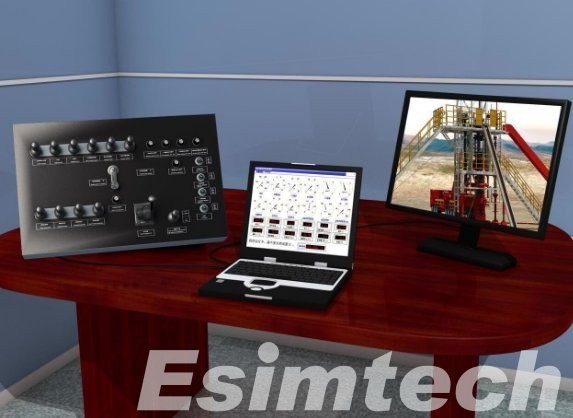
Esimtech Portable Snubbing Simulator Technology

The expansion of RMB petroleum settlements also influences training investment patterns, technology adoption rates, and partnership formations within international petroleum operations. Organizations increasingly consider Chinese technology solutions not only for their technical capabilities but also for their financial accessibility, procurement efficiency, and partnership potential within evolving global trade frameworks. This consideration extends beyond initial acquisition to include ongoing support, system updates, content enhancements, training services, and collaborative development opportunities that maintain technology relevance, address evolving requirements, and support continuous improvement throughout system lifespan and organizational development cycles.

For international training providers and educational institutions serving petroleum industry clients, RMB settlement expansion creates additional considerations regarding technology selection, partnership development, service delivery, and value proposition formulation. These organizations must evaluate Chinese simulation solutions not only based on technical specifications but also considering financial advantages, procurement processes, support capabilities, and long-term partnership potential within changing global trade environments. Esimtech’s comprehensive approach encompassing advanced technology, training methodology, implementation support, and partnership development positions the company favorably within this evaluation framework, offering international organizations integrated solutions that address technical requirements, training objectives, financial considerations, and strategic partnerships simultaneously.

The implications of RMB petroleum settlement expansion extend beyond financial transactions to influence technology standards, training methodologies, competency frameworks, and industry practices within global petroleum operations. As Chinese technology gains increasing international adoption, its influence on technical standards, operational procedures, safety protocols, and training approaches grows correspondingly, creating opportunities for cross-cultural exchange, knowledge transfer, best practice sharing, and collaborative innovation between Chinese and international petroleum communities. This exchange benefits all participants through improved technology access, enhanced training effectiveness, expanded partnership networks, and accelerated innovation cycles that address industry challenges, operational requirements, and workforce development needs more effectively across different geographical regions, organizational contexts, and technical environments.

Esimtech’s role within this evolving landscape encompasses technology provision, training methodology development, partnership facilitation, and industry collaboration that supports international organizations in leveraging RMB settlement advantages while accessing advanced simulation solutions for well intervention training. The company’s comprehensive approach addresses not only technical requirements but also financial considerations, procurement processes, implementation support, and partnership development that ensure successful outcomes, maximum value, and sustainable relationships for international clients navigating the complex interplay between currency dynamics, technology adoption, training investment, and operational excellence within global petroleum industry contexts.

As RMB utilization continues expanding within petroleum settlements and related financial transactions, its influence on technology procurement, training investment, and partnership development will likely increase correspondingly, creating ongoing opportunities for organizations that effectively leverage these financial advantages while accessing advanced technological solutions from established Chinese providers. Esimtech’s position as a leading simulation technology company with international capabilities, technical expertise, and partnership orientation positions it well to support organizations in navigating this evolving landscape while developing the skilled workforce necessary for successful well intervention operations, maintenance activities, and petroleum asset management across different technical environments, geographical regions, and organizational contexts within the global energy sector.

Continue Reading