
In today’s digital age, teaching the Quran online has become a powerful way to connect with students across the globe. However, to be truly effective, an online Quran teacher must possess a unique set of abilities. Understanding and developing online Quran teacher skills is essential for delivering engaging, meaningful, and impactful lessons.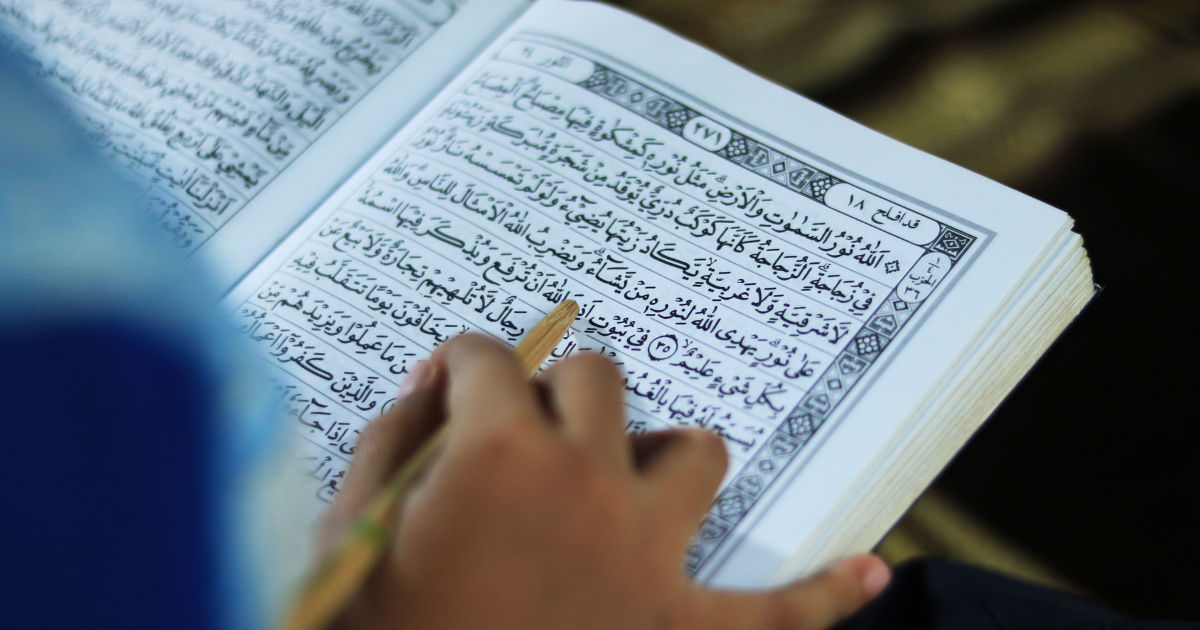
In this guide, we will explore eight crucial Online Quran teacher skills that every instructor should master to provide high-quality education while nurturing spiritual growth in their students.
1. Strong Knowledge of the Quran and Tajweed
The foundation of any Quran teacher’s expertise lies in a deep understanding of the Quran itself. This includes familiarity with its chapters, verses, meanings, and interpretations. Equally important is mastery of Tajweed—the set of rules that govern proper pronunciation and recitation of the Quran.
A teacher who demonstrates strong knowledge can guide students through difficult verses, explain complex concepts, and help them develop correct pronunciation. This ensures that students not only read the Quran accurately but also connect with its spiritual essence.
Tips to Enhance This Skill:
-
Regularly revise Quranic texts and Tajweed rules.
-
Attend workshops or advanced courses to stay updated.
-
Practice recitation aloud to maintain proper pronunciation and rhythm.
2. Technological Competence
Being an effective online Quran teacher requires more than just knowledge of the Quran. Technological competence is critical for managing virtual classrooms, using teaching platforms, and troubleshooting common technical issues.
Teachers must know how to use video conferencing tools, digital whiteboards, screen-sharing features, and online resources efficiently. This not only ensures smooth classes but also enhances the learning experience for students.
Tips to Enhance This Skill:
-
Familiarize yourself with popular online teaching platforms like Zoom, Google Meet, or Microsoft Teams.
-
Learn how to share resources, annotate slides, and use interactive tools.
-
Keep backup plans for internet issues or platform glitches.
3. Effective Communication Skills
Communication is the bridge between knowledge and understanding. An online Quran teacher must convey concepts clearly, patiently, and respectfully. This includes explaining complex verses in simple terms, giving constructive feedback, and encouraging student participation.
Communication is not just verbal; it also includes non-verbal cues such as facial expressions, tone of voice, and gestures. In an online setting, maintaining eye contact through the camera and using clear articulation can significantly improve engagement.
Tips to Enhance This Skill:
-
Practice speaking slowly and clearly.
-
Use simple examples to explain complex concepts.
-
Encourage students to ask questions and interact actively during lessons.
4. Patience and Empathy
Every student learns at their own pace. A successful online Quran teacher understands that mistakes are part of the learning process. Patience allows teachers to guide students without frustration, while empathy helps them understand students’ struggles and emotional needs.
Empathy also builds trust. Students are more likely to engage and perform better when they feel their teacher genuinely cares about their progress.
Tips to Enhance This Skill:
-
Be mindful of students’ emotional states.
-
Provide gentle corrections without criticism.
-
Celebrate small achievements to motivate learners.
5. Lesson Planning and Organizational Skills
Effective lessons don’t happen by chance. Planning and organization are crucial for keeping classes structured, engaging, and productive. An online Quran teacher should design lesson plans that balance theory, recitation practice, and interactive activities.
Organized teaching ensures that every student progresses steadily, meeting both their learning goals and spiritual development. Structured lesson plans also help teachers manage time efficiently, especially during online sessions where distractions can occur easily.
Tips to Enhance This Skill:
-
Create weekly or monthly lesson plans with clear objectives.
-
Allocate time for review, practice, and assessments.
-
Use digital tools to organize materials, track progress, and schedule classes.
6. Adaptability and Creativity
Online teaching comes with unique challenges. Students may have different learning styles, varying attention spans, and technical limitations. An online Quran teacher must be adaptable, modifying teaching methods according to students’ needs.
Creativity plays a vital role in making lessons engaging. Teachers can use storytelling, visual aids, quizzes, and interactive exercises to enhance understanding and maintain interest. Creative approaches make the Quran come alive for students and encourage active participation.
Tips to Enhance This Skill:
-
Experiment with different teaching techniques to see what works best for each student.
-
Incorporate multimedia tools, like videos and animations, for complex concepts.
-
Encourage students to share insights or relate verses to their daily lives.
7. Cultural Sensitivity and Respect
The Quran is a universal text, and online teaching often involves students from diverse cultural backgrounds. Awareness and respect for different cultures, traditions, and learning expectations are essential.
Cultural sensitivity allows teachers to create an inclusive environment where students feel safe and respected. This fosters better communication and deeper understanding of the Quran’s teachings.
Tips to Enhance This Skill:
-
Learn about your students’ backgrounds and adapt teaching accordingly.
-
Avoid assumptions or stereotypes.
-
Encourage students to express their perspectives respectfully.
8. Continuous Learning and Self-Improvement
The best online Quran teachers are lifelong learners. They continually refine their skills, update their knowledge, and explore new teaching methods. By investing in personal and professional growth, teachers remain effective and inspired.
Self-improvement also models the importance of learning for students. When teachers demonstrate dedication to their own development, it encourages students to value education and spiritual growth.
Tips to Enhance This Skill:
-
Attend seminars, workshops, and online courses related to Quranic studies.
-
Join professional networks of online Quran teachers to share insights and strategies.
-
Seek feedback from students and colleagues to identify areas for improvement.
How These Skills Work Together
Developing these eight skills is not about mastering them in isolation. They work together to create a holistic teaching approach. For example, strong communication complements empathy, while lesson planning enhances adaptability. Technological competence amplifies creativity, allowing innovative teaching methods to reach students effectively.
A well-rounded online Quran teacher can provide lessons that are informative, engaging, and spiritually enriching. By balancing knowledge, patience, creativity, and cultural awareness, teachers ensure that their students receive the best possible guidance on their Quranic journey.
Practical Steps for Online Quran Teachers
To put these skills into practice, consider the following steps:
-
Assess Your Current Skills: Identify strengths and areas for improvement in teaching, technology, communication, and cultural sensitivity.
-
Create a Development Plan: Set specific goals, such as improving Tajweed mastery, learning new teaching software, or enhancing lesson planning skills.
-
Engage with Students Regularly: Collect feedback, monitor progress, and adapt methods to meet individual needs.
-
Invest in Resources: Use online libraries, apps, and interactive platforms to enrich lessons.
-
Join Professional Communities: Collaborate with other online Quran teachers to exchange ideas, strategies, and best practices.
Challenges Online Quran Teachers May Face
Even with strong skills, online Quran teaching comes with challenges. Some common obstacles include:
-
Technical Issues: Poor internet connectivity, platform glitches, or unfamiliar software can disrupt lessons.
-
Student Engagement: Maintaining attention in a virtual classroom can be difficult.
-
Diverse Learning Styles: Students may have varying abilities, ages, and learning preferences.
-
Time Zone Differences: Scheduling sessions with students from different regions requires flexibility.
Developing online Quran teacher skills helps overcome these challenges effectively. Patience, adaptability, and continuous learning are key to navigating the digital teaching landscape.
Benefits of Developing Online Quran Teacher Skills
Mastering these skills offers numerous advantages:
-
Enhanced Student Learning: Students gain accurate knowledge and improve their recitation.
-
Professional Growth: Teachers gain recognition, credibility, and career opportunities.
-
Stronger Teacher-Student Connection: Skills like empathy and communication build trust and motivation.
-
Efficient and Engaging Classes: Well-planned lessons and creative techniques keep students focused and interested.
Conclusion
Teaching the Quran online is a noble and rewarding vocation, but it requires more than just knowledge of the text. To excel, teachers must develop a comprehensive set of online Quran teacher skills, including deep Quranic knowledge, technological competence, effective communication, empathy, lesson planning, adaptability, cultural sensitivity, and a commitment to continuous learning.
By mastering these skills, online Quran teachers can provide engaging, meaningful, and spiritually enriching lessons that inspire students and foster a lifelong connection with the Quran. The combination of knowledge, patience, creativity, and professional growth ensures that teachers can overcome challenges, nurture students’ development, and thrive in the dynamic world of online education.
Investing in these skills not only benefits students but also empowers teachers to become confident, effective, and respected educators in the global online learning community. For anyone aspiring to teach the Quran online, embracing these eight skills is the key to success and a fulfilling teaching experience.