
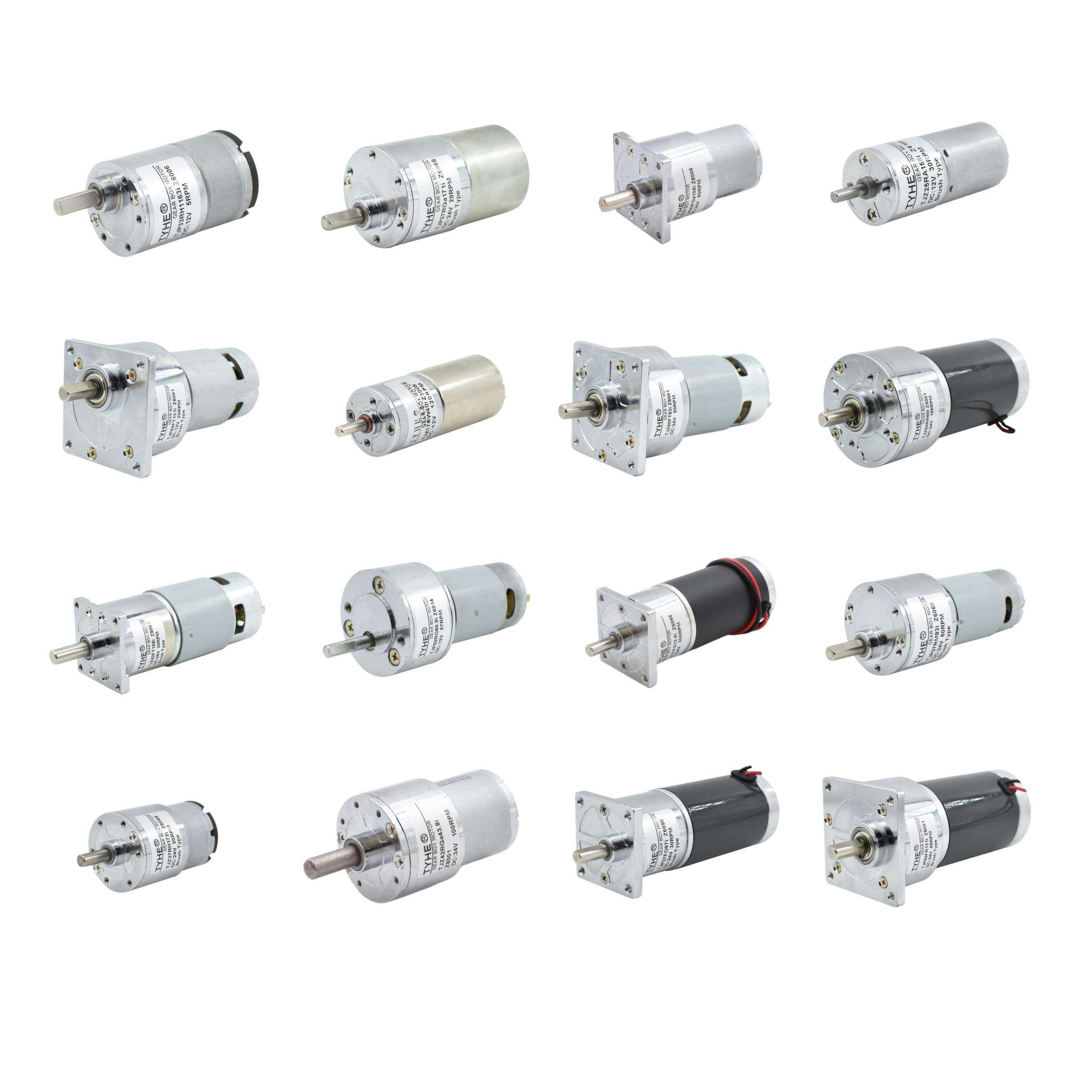
Micro motors are playing an increasingly crucial role in shaping the future of technology, powering everything from medical devices to robotics and consumer electronics. These tiny, highly efficient motors are paving the way for advancements that were once thought to be far out of reach. In recent years, there have been groundbreaking developments in micro motor technology, making them faster, smaller, and more energy-efficient than ever before. Here’s a closer look at these innovations and how they are likely to impact industries in the near future.
1. Miniaturization and Enhanced Power Density
The most significant advancement in micro motor technology is the continued miniaturization of motors without compromising their power output. Modern micro motors are now smaller, more compact, and capable of delivering higher power densities, which makes them suitable for applications where space is limited and efficiency is paramount. This trend is driven by innovations in materials science and the development of new manufacturing techniques, including micro-fabrication and precision engineering.
In fields like aerospace, miniature motors are now being designed for drones and satellites. These motors are small enough to fit within the tight confines of these systems yet powerful enough to perform essential functions like stabilization and propulsion. As technology progresses, micro motors will become even more integral to lightweight, high-performance vehicles and devices.
2. Smart and Autonomous Systems
The future of micro motors is closely tied to the rise of smart and autonomous systems. Advances in artificial intelligence (AI) and machine learning are making it possible for micro motors to work in conjunction with sensors and other smart technologies. These motors can adapt to varying conditions in real-time, adjusting their speed, torque, and power output based on data from the environment. For example, in the medical field, micro motors are now being used in precision surgery tools that can automatically adjust based on the feedback they receive during procedures.
Moreover, micro motors are becoming integral to the development of autonomous robotics, particularly in applications like industrial automation and agriculture. These robots are designed to perform tasks such as picking up objects, transporting materials, or conducting inspections with minimal human intervention. The miniaturization of motors allows robots to be more agile, efficient, and cost-effective.
3. Increased Efficiency and Sustainability
One of the most important areas of advancement is in the energy efficiency of micro motors. With growing concerns over sustainability and environmental impact, manufacturers are focusing on developing DC Gear Motor that consume less power while maintaining high levels of performance. By integrating energy-efficient technologies such as electromagnetic coils, advanced switching techniques, and low-resistance materials, modern micro motors can now achieve longer operational lifespans and reduced energy consumption.
In addition, the development of piezoelectric micro motors has gained attention. These motors use electrical energy to generate mechanical motion, resulting in highly efficient and precise movement while consuming minimal power. As industries focus on creating more energy-conscious products, these piezoelectric motors are being incorporated into medical devices, wearables, and even smart home appliances.
4. Integration with IoT and Wearable Technology
The Internet of Things (IoT) and wearable technology are areas where micro motors are making substantial contributions. Micro motors power many of the sensors, actuators, and micro devices that make up these networks, enabling real-time data collection and user interaction. In the case of wearable devices, tiny motors are used in haptic feedback systems, providing users with tactile sensations for notifications, navigation, or interaction with virtual environments.
In the future, micro motors will continue to play a key role in making wearable technology more intuitive and efficient, allowing for seamless integration between the physical world and digital interfaces. This will be especially relevant in the healthcare industry, where micro motors will help develop more sophisticated wearable diagnostic tools and health monitoring systems.
5. Advances in Materials and Manufacturing Techniques
The future of micro motor technology also depends on innovations in materials and manufacturing techniques. The use of 3D printing and nanotechnology is helping create components with previously unattainable precision, making micro motors smaller and more reliable. Materials like carbon nanotubes and graphene are being explored for their exceptional strength and conductivity, promising to push the boundaries of micro motor capabilities.
Conclusion
The future of micro motor technology is incredibly promising. With advancements in miniaturization, energy efficiency, and integration with smart technologies, micro motors are set to revolutionize a wide range of industries, from healthcare to robotics and beyond. As materials science, AI, and sustainable manufacturing methods continue to evolve, we can expect micro motors to play an even more significant role in shaping the devices of tomorrow. The future of micro motors isn’t just about making things smaller; it’s about making them smarter, more efficient, and more interconnected than ever before.