
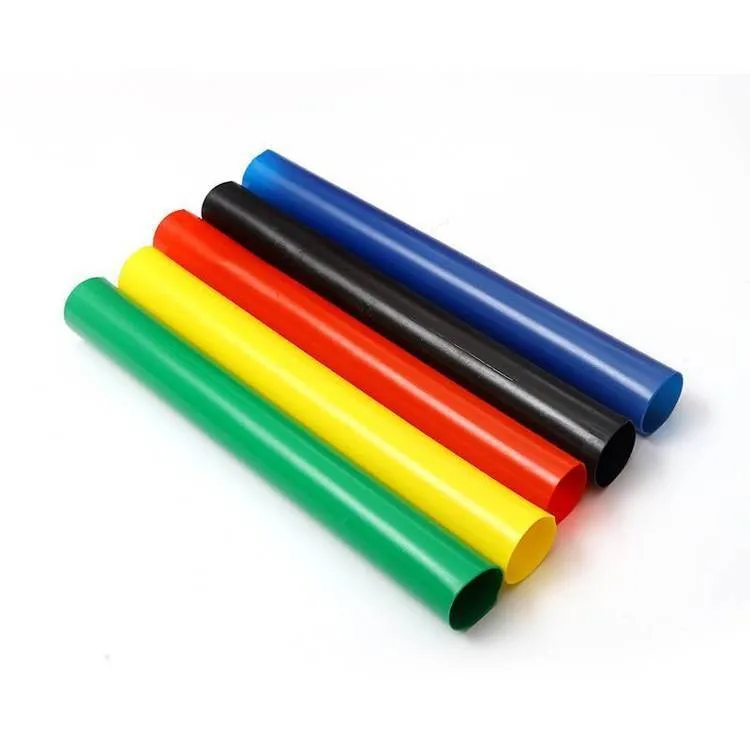
In industrial applications, ensuring the reliability of electrical connections is crucial for maintaining safety, performance, and operational efficiency. Cable connectors and terminals play a vital role in these systems, providing the necessary links between various electrical components. Choosing the right connectors and terminals can significantly impact the longevity of equipment, reduce downtime, and enhance the overall reliability of industrial systems. This article explores some of the most reliable cable connectors and terminals used in industrial settings and highlights their key features. Heat shrinkable cable accessories.
1. Heavy-Duty Circular Connectors
Heavy-duty circular connectors are widely used in industrial applications due to their durability, versatility, and ability to handle high levels of electrical current. These connectors feature a robust circular design that ensures secure connections, even in harsh environments where vibrations, dust, moisture, and temperature extremes are common. They are often used in industries like manufacturing, robotics, automotive, and aerospace.
Key Features:
-
High Durability: Made from corrosion-resistant materials like stainless steel or aluminum, they can withstand physical stress and harsh conditions.
-
High Current Ratings: Designed to support large electrical currents, making them ideal for heavy-duty industrial equipment.
-
Environmental Protection: Available with IP-rated enclosures, which ensure they can resist water, dust, and other contaminants.
Brands such as Amphenol and TE Connectivity are renowned for producing reliable heavy-duty circular connectors that meet the stringent demands of industrial applications.
2. Blade Terminals
Blade terminals are commonly used in applications where quick and reliable connections are needed. These terminals feature flat, blade-like contacts that insert into matching slots in the connector. Blade terminals are often found in automotive, electrical, and industrial control systems due to their ease of use, speed, and low cost.
Key Features:
-
Ease of Installation: Blade terminals can be easily crimped onto cables, reducing the time required for installation.
-
Variety of Sizes: Available in a range of sizes to accommodate different wire gauges, blade terminals can be tailored to meet specific electrical requirements.
-
Strong Electrical Conductivity: Made of copper or brass, they provide excellent conductivity and reliable electrical performance.
For industrial use, companies like Molex and Panduit produce high-quality blade terminals that can handle a range of voltage and current ratings.
3. Ring Terminals
Ring terminals are a popular choice in industrial wiring systems, especially for applications requiring secure connections to screw terminals or posts. The terminal has a ring-shaped contact that is fastened to a stud or bolt, providing a strong, permanent connection. This type of connector is especially useful in power distribution and control panels where secure, high-current connections are essential.
Key Features:
-
Secure Connection: The ring shape ensures a stable and tight connection, minimizing the risk of loosening over time.
-
Versatility: They can be used in various environments, from low-voltage control circuits to high-power systems.
-
Corrosion Resistance: Available in materials such as tinned copper, which resists corrosion, ensuring long-term performance.
Ring terminals from brands like Phoenix Contact and 3M are widely recognized for their reliability in industrial settings.
4. Push-In Connectors
Push-in connectors have gained popularity in recent years due to their ease of use and quick installation process. These connectors allow wires to be pushed into the terminal, where they are securely held by spring-loaded mechanisms. This type of connector is particularly useful for making fast, temporary connections in control systems or automated machinery.
Key Features:
-
Tool-Free Installation: No special tools are required to install wires, reducing labor costs and installation time.
-
Compact Design: Their small footprint makes them ideal for use in tight spaces and dense control panels.
-
Strong and Secure: The spring-loaded mechanism provides a firm connection, preventing accidental disconnections or shorts.
WAGO and Weidmüller are well-known for producing push-in connectors with a reputation for reliability in industrial applications.
5. Waterproof Connectors
Waterproof connectors are essential in industries where equipment is exposed to moisture, such as marine, agricultural, or outdoor industrial applications. These connectors are designed with seals and gaskets to prevent water ingress, ensuring the integrity of the electrical connection in wet or submerged conditions.
Key Features:
-
Water and Dust Resistance: Waterproof connectors are typically rated with an IP67 or IP68 certification, ensuring they are sealed against water and dust penetration.
-
High-Temperature Resistance: Many waterproof connectors are designed to operate in high-temperature environments, making them suitable for a wide range of industrial uses.
-
Enhanced Longevity: By protecting the internal contacts from environmental factors, waterproof connectors extend the lifespan of the equipment.
Companies like HARTING and Amphenol specialize in producing high-quality waterproof connectors that are ideal for industrial environments requiring robust sealing capabilities.
Conclusion
When choosing cable connectors and terminals for industrial use, reliability is paramount. Heavy-duty circular connectors, blade terminals, ring terminals, push-in connectors, and waterproof connectors each offer unique advantages for different industrial applications. Selecting the right type of connector or terminal can improve the efficiency and longevity of electrical systems, reduce downtime, and ensure that the equipment performs optimally in even the most challenging environments. By investing in high-quality, reliable connectors, industries can safeguard their operations and achieve greater long-term success.