
Introduction
Managing work refuge in industries that deal with hazardous gases is a indispensable responsibleness. Accidental gas leaks, nephrotoxic exhaust, and low oxygen levels can put employees and at serious risk, often leadership to accidents, health hazards, or costly work disruptions. Many organizations fight to ride herd on gas levels in effect, relying on noncurrent methods that may not provide well-timed alerts.
Fortunately, modern refuge technologies offer operational solutions. Gas detectors and headspace gas analyzer analyzers ply right, real-time monitoring of gases, helping prevent accidents and wield safe workings conditions. These tools are necessary for ensuring both refuge and process efficiency across various industries.
Understanding Gas Detectors
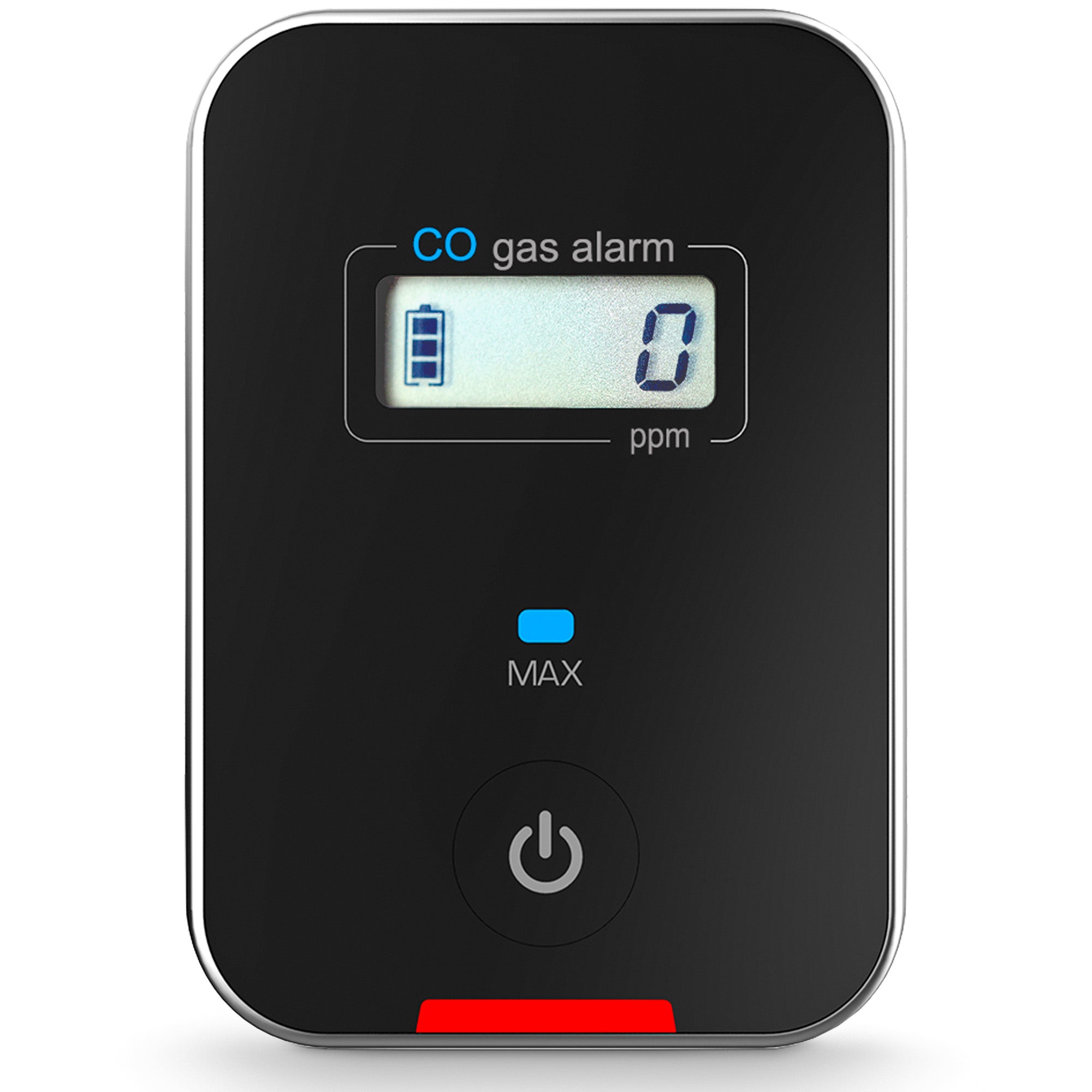
Gas detectors are designed to identify the front of hazardous gases in an . They are widely used in sectors such as chemical substance manufacturing, oil and gas, minelaying, and twist. Key purposes of gas detectors let in:
Detection of combustible gases: Preventing fires and explosions in medium areas.
Monitoring venomous gases: Protecting employees from vesicant substances like carbon monoxide, atomic number 1 sulfide, and ammonia.
Oxygen rase monitoring: Ensuring safe air tone in confined or poorly airy spaces.
These come in two main types: portable handheld detectors for mortal safety and fixed detectors installed for incessant monitoring. Advanced systems can automatically spark off alarms, ventilation system, or emergency shutdowns when insecure gas levels are detected.
What Are Gas Analyzers?
While gas detectors focus on refuge alerts, gas analyzers provide elaborate measurements of gas concentrations and compositions. They are necessary for industrial tone verify, search, and situation submission. Key applications of gas analyzers include:
Industrial work optimisation: Ensuring accurate chemical compositions and efficiency in manufacturing.
Environmental monitoring: Measuring emissions to follow with safety and restrictive standards.
Laboratory research: Providing precise gas psychoanalysis for scientific experiments and quality testing.
Common types of gas analyzers admit infrared emission analyzers, chemistry analyzers, and mass spectrometers, each studied to cater high levels of truth for different applications.
Benefits of Gas Detectors and Gas Analyzers
Implementing these in heavy-duty environments offers several advantages:
Enhanced refuge: Early detection of dangerous gases reduces the risk of accidents and wellness issues.
Regulatory compliance: Helps businesses meet work safety regulations and state of affairs standards.
Operational : Real-time monitoring enables better process direction and few interruptions.
Cost reduction: Prevents to equipment, reduces downtime, and lowers health chec or valid expenses associated with gas exposure.
Conclusion
Gas detectors and gas analyzers are essential technologies for maintaining safety, , and submission in heavy-duty and commercial environments. By detecting hazardous gases early and providing precise measuring data, these tools protect workers, optimise processes, and assure a secure work. Investing in honest gas signal detection and depth psychology is a proactive step toward safer, smarter, and more efficient trading operations.