
The Spectra Wearable 2 Breast Pump is designed for mothers who want a more convenient way to express breast milk while managing a busy daily routine. When people ask how long a Spectra Wearable 2 Breast Pump lasts, they may be asking about several different things. 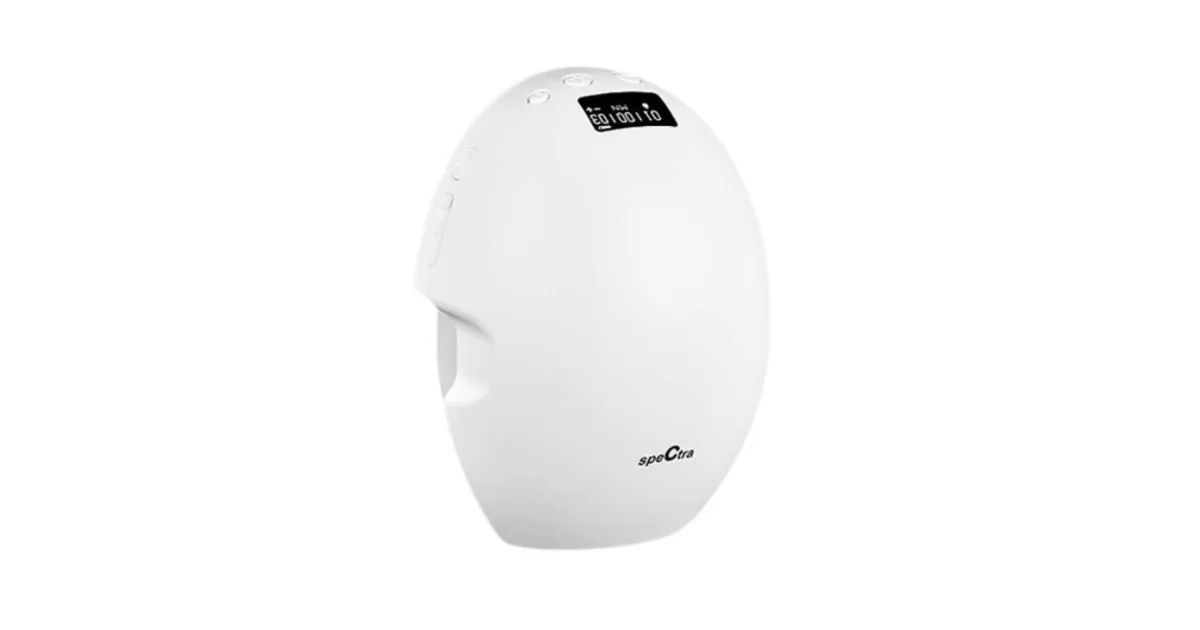
The answer depends on how the pump is used, how often it is cleaned, how carefully it is stored, and which component you are talking about. A wearable breast pump is made up of several parts, and each part can have a different useful lifespan.
For daily pumping, battery performance is usually one of the most important concerns. A mother may need enough power to complete several pumping sessions without searching for a charger. At the same time, long-term durability matters because breast pumps can be used many times a week, sometimes several times a day.
The Spectra Wearable 2 Breast Pump is intended to make pumping more flexible by allowing users to move around more freely while expressing milk. However, like any rechargeable electronic device, its battery will gradually lose capacity over time. Likewise, wearable components such as silicone parts, valves, membranes, and collection cups may need replacement before the main motor or electronic unit stops working.
Understanding the difference between short-term battery life and long-term product life can help you get a more realistic idea of how long your pump may last.
How Long Does the Battery Last on a Spectra Wearable 2 Breast Pump?
Battery life is one of the first things to consider when evaluating a wearable breast pump. A full charge is generally expected to provide enough operating time for multiple pumping sessions, although the exact number of sessions can vary depending on the settings you use.
Higher suction levels may affect battery consumption differently from lower settings. The length of each pumping session also makes a difference. Someone who pumps for 15 minutes per session may get more sessions from a charge than someone who pumps for 30 minutes.
The age and condition of the battery also matter. A new rechargeable battery typically performs better than one that has been charged and discharged repeatedly over a long period.
In practical terms, you should think of the battery as something that needs to support your daily routine rather than as a fixed number of hours that will always remain the same.
If you pump several times during a workday, it is sensible to start the day with a full charge. If you are away from home for an extended period, carrying the appropriate charging equipment can provide additional peace of mind.
Battery life can also be affected by storage conditions. Extreme heat and prolonged exposure to unsuitable temperatures can negatively affect rechargeable batteries. Keeping the electronic components in a dry, moderate environment is a simple way to protect their performance.
How Many Pumping Sessions Can You Get From One Charge?
The number of sessions you can complete on a single charge depends on your personal pumping routine.
For example, a mother who uses shorter sessions at moderate settings may be able to complete more sessions before charging than someone who uses longer sessions at higher settings.
The pump's operating time should therefore be considered in relation to your own schedule. If you normally pump two or three times during the day, the battery may be sufficient for your routine. If you pump frequently throughout the day, you may need to recharge more often.
It is also important to remember that battery performance changes as a rechargeable battery ages. A pump that comfortably completes several sessions when new may eventually require charging more frequently.
If you notice that the battery is draining much faster than it used to, this may indicate normal battery aging. However, sudden or unusual battery problems can also be related to charging equipment or electronic issues.
For this reason, it is useful to monitor your pump's performance over time rather than expecting the battery to deliver exactly the same performance throughout its entire life.
How Long Does the Pump Last Overall?
The overall lifespan of a wearable breast pump is difficult to express as one exact number of years. The main electronic unit may continue working for a long time, while the parts that come into direct contact with breast milk may require replacement much sooner.
This is normal.
Breast pumps contain consumable components that experience regular wear. Silicone membranes, duckbill valves, seals, and other soft parts can gradually lose their original shape and flexibility. These components are exposed to milk, moisture, repeated washing, and frequent assembly and disassembly.
The motor and electronic components usually do not experience the same type of wear. If the pump is cleaned correctly and kept dry, the main unit may remain functional for a considerable period.
However, the lifespan of the complete pumping system depends on maintaining all of its components. A motor that works perfectly cannot compensate for a worn valve or damaged membrane.
For a mother who uses the pump occasionally, the product may remain useful for longer in terms of calendar years. For someone who pumps several times every day, the components may experience much more frequent wear.
Therefore, it is better to think of the pump's lifespan as a combination of the electronic unit's durability and the replacement cycle of its wearable parts.
What Parts Usually Need Replacement First?
The parts that require replacement first are generally the components that experience the most physical contact and repeated movement.
Silicone membranes are especially important because they play a role in maintaining proper suction. Over time, a membrane can become less effective or develop visible damage.
Valves can also wear out. A valve that no longer opens and closes correctly may affect milk flow and pumping performance.
Seals and other soft silicone components can become stretched, discolored, or damaged after repeated use and cleaning.
The collection cups may also need attention if they develop cracks or other physical damage. Even a small crack can affect the pump's ability to maintain the correct vacuum.
These parts should be inspected regularly. Replacing a small worn component can sometimes restore performance without requiring you to replace the entire pump.
This is one reason why proper maintenance is so important. A wearable pump is not a single disposable device. It is a system made up of an electronic unit and several replaceable or serviceable components.
How Does Usage Frequency Affect Lifespan?
How often you use the Spectra Wearable 2 Breast Pump can have a major effect on how long it remains in good working condition.
A mother who uses the pump once or twice a week places much less demand on the device than someone who uses it six or eight times every day.
Frequent use means more charging cycles, more cleaning, more assembly, and more exposure to moisture. Every part of the system experiences more activity.
If you are exclusively pumping, the pump may become an important part of your daily routine. In this situation, regular inspection and maintenance become especially important.
If you use the pump as a backup or for occasional convenience, the overall wear may be considerably lower.
Usage frequency does not automatically mean that a pump will fail quickly. Good maintenance can help protect the device. However, heavy use naturally means that certain consumable parts will probably need replacement sooner.
Does Frequent Charging Reduce Battery Life?
Rechargeable batteries naturally lose some capacity over time. This is a normal characteristic of battery technology.
Each charging cycle contributes to long-term battery aging. However, modern rechargeable batteries are designed to handle repeated use, and ordinary charging should not cause immediate failure.
The important thing is to follow the manufacturer's charging recommendations. Using compatible charging equipment and avoiding unnecessary exposure to extreme temperatures can help preserve battery performance.
It is also a good idea to avoid storing the pump for very long periods with the battery completely depleted. If you will not use the device for an extended period, following the manufacturer's storage recommendations is preferable.
If the battery eventually holds less charge than it once did, that does not necessarily mean the entire pump is unusable. Depending on the product design and available service options, the battery may be the component that has reached the end of its useful life.
How Can You Tell When the Battery Is Wearing Out?
A declining battery often gives several warning signs.
One common sign is that the pump runs for noticeably less time after a full charge. You may also notice that the battery indicator drops faster than it used to.
Another sign is needing to charge the pump much more frequently. If your normal routine has not changed but the pump suddenly requires charging after every short session, battery aging may be responsible.
Inconsistent operation can also be concerning. If the pump unexpectedly turns off or struggles to maintain normal performance despite having sufficient charge, it may be worth investigating the battery and charging system.
Before assuming the battery has failed, check the charger, cable, charging connection, and charging port. Sometimes the problem is caused by an incomplete charge rather than a damaged battery.
If the problem continues, consult the manufacturer's support or warranty information rather than attempting to open the electronic unit yourself.
How Can You Make the Pump Last Longer?
Proper care can significantly improve the practical lifespan of a wearable breast pump.
The first step is to follow the cleaning instructions provided with the pump. Milk residue should not be allowed to remain inside components that are designed to be cleaned after use.
At the same time, the electronic motor unit should be protected from water and excessive moisture. Electronic components and milk-contact components should be treated differently.
Another important habit is careful assembly. Do not force components into place. Silicone parts can be stretched or damaged if they are pulled aggressively or installed incorrectly.
You should also inspect the pump regularly. Look for cracks, tears, loose seals, damaged valves, or changes in the appearance of silicone components.
Store the pump in a clean and dry location when it is not being used. Avoid leaving it in places where it may be exposed to excessive heat, direct sunlight, or moisture.
Finally, replace worn parts when necessary. Continuing to use damaged components can affect suction and may place additional strain on the pumping system.
Why Cleaning Matters for Long-Term Durability
Cleaning is essential for both hygiene and equipment performance.
Milk contains fats and proteins that can build up on surfaces if components are not cleaned properly. Over time, this residue can affect valves, membranes, and other parts.
Regular cleaning also allows you to identify problems early. When you wash and inspect each component, you have an opportunity to notice small cracks or tears before they become larger problems.
However, cleaning should always follow the manufacturer's instructions. Not every component should necessarily be treated in exactly the same way.
Overheating silicone parts, using unsuitable cleaning methods, or handling components too aggressively may shorten their useful life.
Drying is also important. Moisture that remains trapped in parts can create problems with performance and cleanliness.
A good routine is to clean the appropriate milk-contact components after each use according to the manufacturer's guidance and allow them to dry properly before storage or reassembly.
What Happens If Suction Becomes Weaker?
A reduction in suction does not always mean that the motor has failed.
In many cases, weak suction is related to a small component or an assembly problem.
For example, a membrane may not be positioned correctly. A valve may be worn. A seal may not be sitting properly. A cup may not have a secure fit.
Before deciding that the pump has reached the end of its life, inspect the system carefully.
Check that all parts are assembled correctly. Look for visible damage. Make sure the components are clean and completely dry when required.
If replacing worn consumable parts restores the original performance, the main pump unit may still have plenty of useful life remaining.
This is an important point for anyone trying to determine how long the Spectra Wearable 2 Breast Pump lasts. A performance problem does not automatically mean that you need to replace the entire device.
Can the Pump Last for More Than One Baby?
Whether a wearable breast pump can be used for more than one baby depends on several factors.
The first consideration is the condition of the pump. If the electronic unit remains in good working order and the battery still performs adequately, it may continue to be useful.
The second consideration is the condition of the milk-contact parts. These components may need to be replaced before the pump is used again.
The third consideration is hygiene. If a pump is being passed between users, manufacturer guidance and applicable health recommendations should be followed carefully.
For personal use across different stages of breastfeeding, replacing worn parts and maintaining proper hygiene may allow the pump to remain useful for an extended period.
However, you should not assume that every component has the same lifespan. The motor, battery, silicone parts, and collection components may all age differently.
How Long Should You Expect the Wearable Components to Last?
Wearable components generally have a shorter practical lifespan than the electronic pump unit.
The exact replacement schedule depends on how frequently you pump and how the components are cleaned and handled.
A mother who pumps multiple times every day may notice wear sooner than someone who pumps occasionally.
Rather than replacing parts only after they completely fail, it is better to inspect them regularly. If you notice a membrane becoming damaged, a valve losing its shape, or a seal becoming unreliable, replacement may be appropriate.
Changes in pumping performance can also provide a clue. If suction decreases despite correct assembly and cleaning, worn components may be responsible.
Following the manufacturer's recommended replacement guidance is the safest approach because the appropriate schedule can vary by model and component.
What Can Shorten the Life of a Breast Pump?
Several factors can reduce the useful life of a wearable pump.
Improper cleaning is one of the most common problems. Milk residue, moisture, and incorrect cleaning methods can affect components over time.
Physical damage is another concern. Dropping the electronic unit, crushing the collection cups, or storing components under heavy objects can cause damage.
Excessive heat can also affect electronic components and rechargeable batteries.
Incorrect assembly may reduce suction and place unnecessary stress on certain parts.
Using damaged or incompatible accessories can also create problems. Components that do not fit correctly may prevent the system from working as intended.
Finally, neglecting routine maintenance can allow small problems to become larger ones.
The good news is that most of these risks can be reduced through careful handling and regular inspection.
What Are the Signs That You Need Replacement Parts?
There are several signs that replacement parts may be needed.
A noticeable drop in suction is one of the most common indicators. If the pump is correctly assembled but does not perform as it previously did, inspect the wearable components.
Visible cracks, tears, holes, or deformities are also clear reasons to replace a component.
You may also notice unusual milk flow or changes in how efficiently milk is collected.
If a valve does not appear to function correctly or a membrane no longer sits properly, replacement may be necessary.
Another sign is repeated difficulty maintaining a proper seal.
Before purchasing a completely new pump, check whether the issue can be solved by replacing a worn accessory or consumable part.
This approach can save money and extend the useful life of the main electronic unit.
How Should You Store the Pump Between Uses?
Proper storage is a simple but important part of long-term care.
After cleaning the appropriate components, make sure they are completely dry before storage.
Keep the electronic unit in a dry, clean place where it will not be exposed to excessive heat or moisture.
Avoid storing the pump under heavy objects that could damage the cups or other components.
If you are not planning to use the pump for an extended period, follow the manufacturer's recommendations for battery storage.
Long-term storage should also include a quick inspection before the next use. Check the condition of the battery, charging equipment, seals, and silicone components.
Good storage habits may seem minor, but they can prevent unnecessary damage.
Is It Worth Replacing the Pump or Repairing It?
The decision to repair or replace a pump depends on the problem.
If the main electronic unit is working properly and the issue is caused by a worn valve, membrane, or seal, replacing the affected part may be the most practical solution.
If the battery no longer holds enough charge, the situation becomes more complicated. Depending on the product's design and available support, you may need to determine whether battery service or complete replacement is appropriate.
A damaged motor or electronic system may also make replacement more practical than repair.
Before buying a new pump, check the manufacturer's warranty and customer support options. If the device is still covered, you may have service or replacement options.
You should also consider how frequently you use the pump. For someone who depends on it every day, reliable performance may be more important than extending the life of an aging device at all costs.
How Can You Get the Best Performance for the Longest Time?
The best approach is to combine careful use with regular maintenance.
Charge the pump according to the manufacturer's instructions. Keep the electronic components dry. Clean the milk-contact parts correctly. Inspect silicone components regularly.
Do not ignore small changes in performance.
If suction begins to decline, investigate the cause early. Replacing a worn component may restore normal operation and prevent frustration during pumping sessions.
It is also useful to keep replacement parts available if you rely heavily on the pump. Having a replacement valve or membrane on hand can be convenient when a component eventually wears out.
Most importantly, do not treat a wearable pump as maintenance-free equipment. The convenience of a wearable design does not eliminate the need for cleaning, inspection, charging, and proper storage.
How Long Does the Spectra Wearable 2 Breast Pump Last in Real-World Use?
In real-world use, there is no single lifespan that applies to every owner.
A lightly used pump that is carefully maintained may remain useful for a long time. A heavily used pump that is operated several times every day may experience faster battery and component wear.
For most users, the most important distinction is between the main electronic unit and the replaceable parts.
The wearable components are expected to experience regular wear and may need to be replaced periodically. The main pump unit can potentially remain useful for much longer if it is properly maintained and the battery continues to provide adequate performance.
The battery itself will gradually lose capacity as it ages. Eventually, you may find that the original charging routine no longer works for your needs.
Therefore, when asking how long the Spectra Wearable 2 Breast Pump lasts, the most accurate answer is that its useful life depends heavily on frequency of use, maintenance, battery health, and replacement of worn components.
What Should You Do If Your Pump Stops Working?
If the pump suddenly stops working, do not immediately assume that it has reached the end of its life.
Start by checking the battery level and charging connection.
Make sure the charging cable and power source are functioning correctly. If the pump has been stored for some time, allow it to charge according to the manufacturer's instructions.
Next, inspect the wearable components. Check for damage and make sure everything is assembled correctly.
If the pump turns on but does not provide normal suction, focus on the valves, membranes, seals, and other components involved in maintaining the vacuum.
If the pump remains completely unresponsive, the issue may involve the battery or electronics.
At this stage, contacting the manufacturer's support service is a better option than attempting to disassemble the motor unit yourself. Opening electronic equipment can cause additional damage and may affect warranty coverage.
How Can You Decide When It Is Time for a New Pump?
A new pump may be worth considering when the device no longer meets your needs reliably.
If the battery consistently fails to provide enough operating time, the electronic unit repeatedly malfunctions, or performance remains poor after replacing worn components, replacement may be reasonable.
You should also consider whether your pumping requirements have changed.
A pump that worked well for occasional use may not be the best option if you now need to pump many times each day.
The decision should be based on reliability, safety, performance, and convenience.
If you depend on the pump for regular milk expression, consistent performance is especially important. An unreliable pump can make an already demanding routine more difficult.
Conclusion
The question of how long the Spectra Wearable 2 Breast Pump lasts does not have one simple answer because a breast pump has several different components, each with its own lifespan.
The battery will gradually lose capacity as it goes through repeated charging cycles. Its actual operating time depends on factors such as pumping duration, suction settings, frequency of use, and battery age.
The wearable components, including silicone parts and valves, are generally more likely to require replacement because they experience repeated contact with milk, moisture, cleaning, and physical handling.
The main electronic unit may last considerably longer when it is handled carefully and protected from moisture, heat, and physical damage.
For the best possible lifespan, follow the manufacturer's cleaning and charging instructions, inspect parts regularly, replace worn components when necessary, and store the pump correctly.
Do not assume that a drop in suction means the entire device has failed. In many situations, a small component such as a valve or membrane may be the real cause. Replacing that part can restore performance and extend the useful life of the pump.
Battery performance should also be monitored over time. If the pump begins requiring frequent charging or cannot complete your normal pumping routine, the battery may be approaching the end of its useful life.
Ultimately, the lifespan of the Spectra Wearable 2 Breast Pump depends on how heavily it is used and how well it is maintained. A pump used occasionally may remain useful for a longer period than one used intensively every day, while careful cleaning and timely replacement of wearable parts can help prevent unnecessary problems.
The best way to think about its lifespan is not simply in terms of a fixed number of years. Instead, consider whether the pump can still provide reliable suction, adequate battery performance, hygienic operation, and comfortable use for your specific needs.
If those factors remain satisfactory, the pump may continue to serve you well. When the battery, motor, or other essential components can no longer provide dependable performance, replacement becomes the more practical choice.
With proper care, regular inspection, and responsible use, you can maximize the useful life of your pump and avoid replacing it prematurely. At the same time, it is important to recognize normal wear and replace individual components when needed rather than continuing to use damaged parts.
In short, the answer to how long the Spectra Wearable 2 Breast Pump lasts depends on the individual user. Battery life is measured by the number and length of pumping sessions between charges, while the overall product lifespan depends on battery health, electronic durability, usage frequency, maintenance, and the replacement of wearable components. Taking care of each part of the system is the most effective way to keep the pump performing reliably for as long as possible.