
Product loss is one of the biggest challenges businesses face during manufacturing, storage, and distribution. Every damaged item, leaking package, or incorrectly sealed product represents money lost and customer trust reduced. 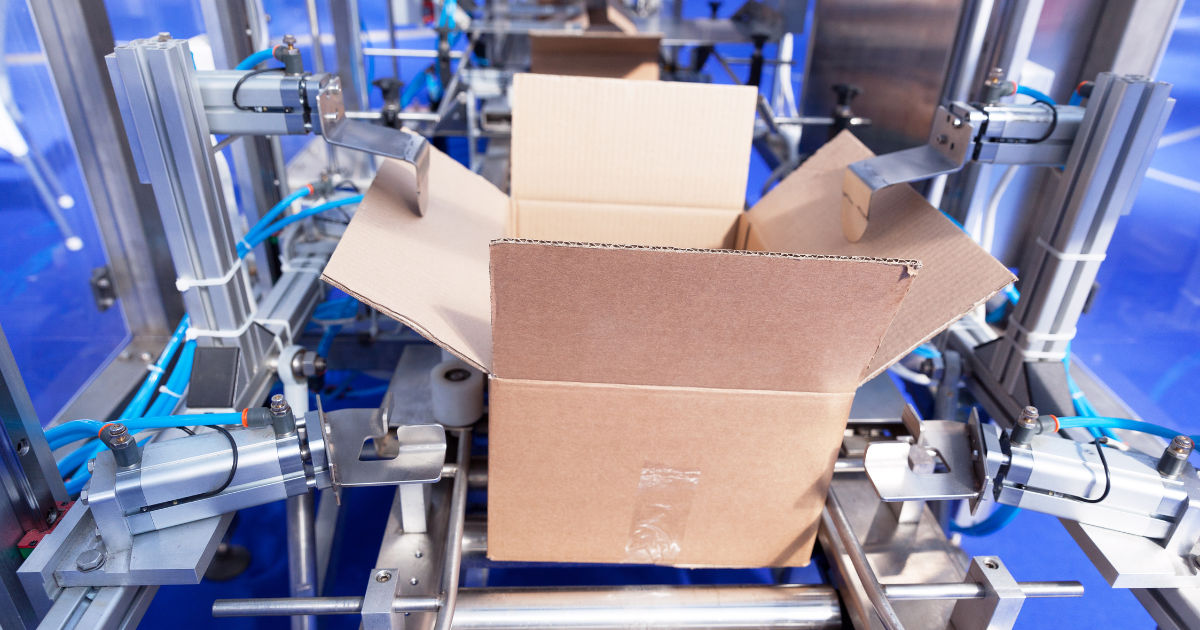
Whether a company produces food, beverages, pharmaceuticals, cosmetics, electronics, or household products, proper packaging plays a major role in ensuring products reach customers in perfect condition. Packing machines are designed to minimize human error, improve production speed, and create reliable packaging that protects products from damage, contamination, and environmental factors.
As industries continue to grow, manufacturers are looking for smarter ways to reduce operational costs without sacrificing quality. One of the most effective investments is advanced Packing machines. These machines improve productivity while significantly reducing product loss at every stage of production.
This guide explains how Packing machines reduce product loss, improve packaging quality, increase efficiency, and help businesses achieve better profitability.
Product Loss
Product loss refers to products that become damaged, contaminated, wasted, or unsellable before reaching customers. Losses can occur during manufacturing, packaging, transportation, storage, or handling.
Even a small percentage of product loss can have a significant impact on profits. Manufacturers spend money on raw materials, labor, utilities, transportation, and packaging. When products cannot be sold due to damage or poor packaging, these investments are lost.
Common examples of product loss include:
-
Broken products
-
Torn packages
-
Incorrect filling levels
-
Seal failures
-
Product contamination
-
Leaking containers
-
Damaged labels
-
Expired products due to poor storage
-
Packaging defects
-
Human handling errors
Modern Packing machines help reduce each of these problems by improving consistency and precision.
Why Product Loss Matters
Every damaged product affects more than just production costs. It also influences customer satisfaction, brand reputation, and business growth.
When customers receive damaged products, they may request refunds, leave negative reviews, or stop purchasing from the company altogether.
Reducing product loss provides several benefits, including:
-
Lower manufacturing costs
-
Reduced material waste
-
Higher customer satisfaction
-
Better product quality
-
Improved production efficiency
-
Increased profitability
-
Stronger brand reputation
-
Lower environmental impact
These advantages explain why businesses across many industries rely on Packing machines.
The Role of Packing Machines in Modern Manufacturing
Modern production facilities depend on automation to maintain speed and accuracy. Packing machines automate many packaging tasks that were previously completed by hand.
Instead of relying entirely on manual labor, businesses use automated systems for:
-
Filling containers
-
Weighing products
-
Sealing packages
-
Wrapping products
-
Applying labels
-
Coding expiration dates
-
Inspecting packaging quality
-
Sorting finished products
Automation reduces mistakes while increasing production speed.
Accurate Filling Reduces Waste
One of the biggest causes of product loss is inaccurate filling.
If containers receive too much product, manufacturers lose valuable materials. If containers receive too little product, customers may complain, and products may fail quality inspections.
Modern Packing machines use advanced sensors and computerized controls to ensure every package receives the correct amount.
This consistency helps businesses:
-
Reduce overfilling
-
Prevent underfilling
-
Improve customer satisfaction
-
Save raw materials
-
Meet industry standards
Accurate filling alone can save manufacturers thousands of dollars every year.
Consistent Sealing Prevents Leakage
Improper seals are another major cause of product loss.
Weak seals allow products to leak, spoil, or become contaminated during transportation and storage.
Modern Packing machines create strong and reliable seals using controlled pressure, temperature, and timing.
Reliable sealing protects products from:
-
Air
-
Moisture
-
Dust
-
Bacteria
-
Chemicals
-
Water
-
Physical damage
Better seals mean fewer rejected products and happier customers.
Reducing Human Error
Manual packaging depends heavily on worker experience and concentration.
Even skilled employees make mistakes when performing repetitive tasks for long hours.
Common manual errors include:
-
Incorrect filling
-
Loose sealing
-
Wrong labels
-
Damaged packaging
-
Misaligned products
-
Missing components
Automated Packing machines perform these tasks with high accuracy throughout the entire production shift.
Reducing human error improves product quality while lowering waste.
Better Product Protection During Transportation
Products often travel hundreds or even thousands of miles before reaching consumers.
Poor packaging increases the risk of:
-
Crushing
-
Breaking
-
Leakage
-
Moisture damage
-
Contamination
-
Scratches
Modern Packing machines create secure packaging that withstands transportation challenges.
Proper cushioning, wrapping, sealing, and boxing all contribute to safer deliveries.
This means fewer damaged shipments and lower replacement costs.
Maintaining Consistent Packaging Quality
Customers expect every product they purchase to look identical.
Inconsistent packaging creates a poor impression and may suggest low-quality manufacturing.
Packing machines produce consistent package sizes, shapes, weights, and seals throughout the production process.
This consistency benefits both manufacturers and customers by improving quality control and brand image.
Improving Shelf Life
Many products lose value because they spoil before reaching customers.
Food, beverages, pharmaceuticals, and cosmetics are especially sensitive to air, moisture, bacteria, and temperature changes.
Modern Packing machines help preserve freshness through advanced sealing technologies.
Vacuum packaging, modified atmosphere packaging, and airtight sealing reduce exposure to harmful environmental conditions.
Longer shelf life means:
-
Less product waste
-
Reduced spoilage
-
Better inventory management
-
Increased customer satisfaction
Supporting Quality Control
Quality control is essential in every manufacturing operation.
Modern Packing machines often include inspection systems that identify packaging defects before products leave the factory.
Inspection technologies may detect:
-
Missing products
-
Incorrect weights
-
Damaged packaging
-
Poor seals
-
Missing labels
-
Incorrect printing
-
Foreign materials
Removing defective products before shipping prevents customer complaints and protects company reputation.
Lower Material Waste
Packaging materials represent a significant production expense.
If boxes, films, bottles, or pouches are used incorrectly, businesses spend more money than necessary.
Advanced Packing machines optimize material usage by cutting packaging materials accurately and consistently.
This reduces waste of:
-
Plastic film
-
Cardboard
-
Labels
-
Shrink wrap
-
Foil
-
Adhesives
Lower material consumption also supports environmental sustainability.
Faster Production with Less Waste
Production delays often increase product loss.
Products waiting too long in manufacturing may become contaminated, expire, or suffer handling damage.
Modern Packing machines work continuously with minimal interruptions.
Higher production speed allows manufacturers to:
-
Complete orders faster
-
Reduce storage time
-
Improve inventory flow
-
Minimize handling
-
Lower operational costs
Efficient production contributes directly to lower product loss.
Enhanced Hygiene Standards
Clean packaging environments are especially important in industries such as food and pharmaceuticals.
Manual handling increases the risk of contamination.
Automated Packing machines reduce direct human contact with products, helping maintain strict hygiene standards.
Many modern machines are manufactured using stainless steel and hygienic designs that are easy to clean.
This reduces contamination risks while supporting compliance with industry regulations.
Better Inventory Management
Product loss sometimes occurs because inventory is not packaged quickly enough.
Delays may result in expired products or damaged goods sitting in storage.
Efficient Packing machines help manufacturers package products immediately after production.
Faster packaging improves inventory rotation and reduces unnecessary storage time.
This creates a smoother production workflow while minimizing losses.
Reduced Packaging Defects
Packaging defects can occur for many reasons, including poor alignment, weak seals, incorrect dimensions, and damaged materials.
Modern Packing machines use automated adjustments and monitoring systems to reduce these defects.
Consistent packaging quality ensures products remain protected from the factory to the customer's doorstep.
Businesses benefit from fewer rejected products and lower warranty claims.
Improved Customer Confidence
Customers notice quality packaging immediately.
A properly sealed, clean, and attractive package creates confidence in the product inside.
On the other hand, damaged or poorly packaged products may discourage repeat purchases.
By using reliable Packing machines, manufacturers can consistently deliver products that meet customer expectations.
This strengthens brand loyalty and encourages long-term business growth.
Conclusion
Many advanced systems work efficiently with recyclable, biodegradable, and lightweight materials while reducing packaging waste.
Improved precision also helps manufacturers use fewer resources without sacrificing product protection or shelf appeal. These improvements support both environmental goals and long-term business success.
Technology continues to shape the future of food packaging. Smart Packing machines now include sensors, digital controls, automated monitoring, and data analysis capabilities that improve productivity and reduce downtime.