
For salons and stylists working with natural or texturized hair, choosing the right perm rod size is not a minor detail—it is the factor that determines whether the final result is exactly what the client envisioned or a frustrating disappointment that requires starting over. A solid perm rod size guide can eliminate guesswork, reduce client dissatisfaction, and make the consultation process smoother for every service appointment. This article walks through the logic behind rod sizing so you can make better decisions behind the chair and in your wholesale purchasing.
The core principle is simple: smaller rods produce tighter curls, larger rods produce looser curls. But the nuance lies in understanding how hair length, texture, density, and desired outcome all interact with rod size to produce the final look. A rod that creates perfect spiral curls on a twelve-inch bob may be completely wrong for a twenty-inch layered style. The consultation conversation with every client should include a clear discussion of what rod size will be used and what the expected result will look like.
For short hair, the range of usable rod sizes is narrower. perm rod sizes for short hair typically fall in the small to medium range—jumbo pink, small pink, or regular purple rods work well for pixie cuts, tapered bobs, and very short natural styles. The challenge with short hair is that longer rods do not have enough hair length to wrap around them properly, and attempting to do so creates loose, uneven curls that unravel within hours. When in doubt, go smaller. A tighter curl on short hair reads as intentional texture. A loose wave reads as a mistake.
Longer hair opens up the full spectrum of rod options, but it also introduces new complications. Weight causes curl stretching, which means a medium or large rod on very long hair may produce a result closer to a wave than a defined curl by the time the style settles. For clients with longer hair who want best perm rods for long hair, consider using multiple rod sizes in the same session—smaller rods at the crown for curl definition and larger rods toward the nape to maintain bounce without excessive volume at the bottom of the head.
When purchasing perm rods for retail or salon supply, quality matters more than most buyers realize. A cheap rod may have rough edges that catch and break hair during the winding process, or the rubber band may lose tension after a single use, causing the curl to drop before processing is complete. Invest in well-constructed rods with smooth surfaces and durable bands. The cost difference per unit is minimal, but the difference in client outcomes and product longevity is substantial.
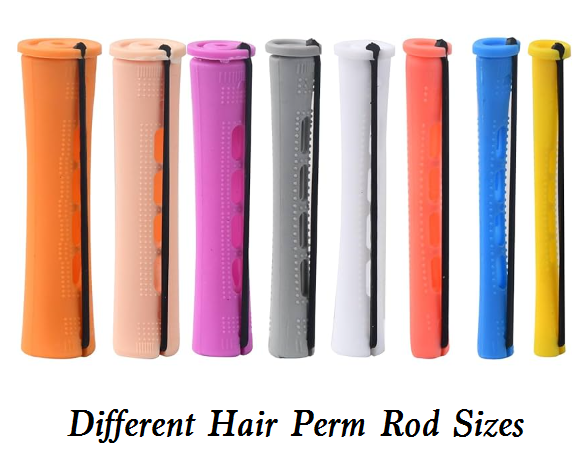
Temperature and processing time are the other variables that interact with rod size. Smaller rods process faster because there is less hair mass to penetrate with the perm solution. Larger rods take longer. Attempting to shortcut processing time on a large rod installation to match the timing used for smaller rods will produce uneven results—the outside curls will be over-processed while the inner curls remain underdeveloped. Always follow manufacturer guidelines for processing time relative to rod size and hair density.